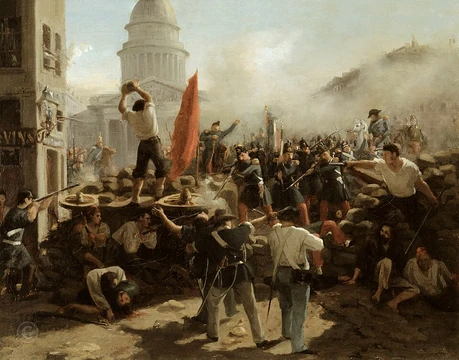
Indian Rebellion of 1857
A major uprising against British East India Company rule in India.

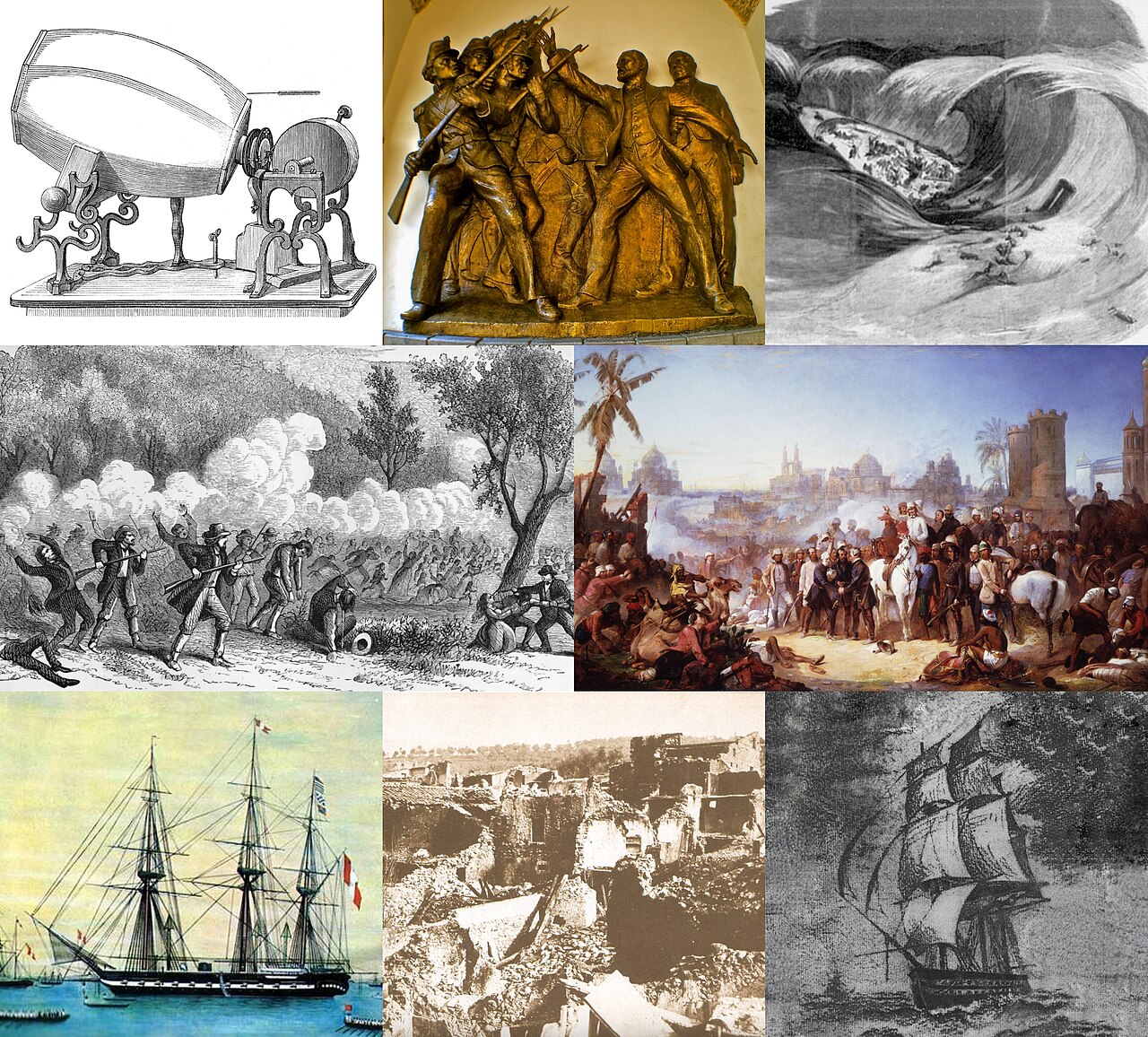
From a variety of images credited above. · CC BY 4.0
- location
- India, chiefly upper Gangetic plain and central India
- participants
- Sepoys of the East India Company, civilian rebels, British forces
- outcome
- Rebel defeat; dissolution of the East India Company; establishment of British Raj
Lore & Background
The rebellion was fed by resentments born of diverse perceptions, including invasive British-style social reforms, harsh land taxes, summary treatment of some rich landowners and princes, and scepticism about British claims of material improvement. Many Indians rose against the British; however, many also fought for the British, and the majority remained seemingly compliant. Violence was inflicted on both sides: on British officers and civilians by the rebels, and on rebels and their supporters by British reprisals; the cities of Delhi and Lucknow were laid waste. After the outbreak in Meerut, rebels quickly reached Delhi, whose 81-year-old Mughal ruler, Bahadur Shah Zafar, was declared Emperor of Hindustan. Other regions—the Bengal, Bombay, and Madras Presidencies—remained largely calm. In the Punjab, Sikh princes crucially helped the British. Large princely states like Hyderabad, Mysore, Travancore, and Kashmir did not join the rebellion.
Reader's Guide
India was thereafter administered directly by the British government in the new British Raj. In the following decades, when admission to these rights was not always forthcoming, Indians pointedly referred to the Queen's proclamation in growing avowals of a new nationalism. The rebellion also highlighted the complex interplay of caste, religion, and regional loyalties within the British Indian army, as the predominance of high-caste sepoys in the Bengal Army contributed to the rapid spread of mutinies. The rebellion did not produce a new political system, but it reshaped British colonial policy and sowed seeds of future Indian nationalism.
Did You Know?
- The name of the revolt is contested, including Sepoy Mutiny, Indian Mutiny, Great Rebellion, and First War of Independence.
- The rebellion led to the dissolution of the East India Company and the direct administration of India by the British government under the British Raj.
The Spark and the Spread
Within days the insurgents marched on the capital, where they proclaimed the 81-year-old Mughal ruler Bahadur Shah Zafar as Emperor of Hindustan. The uprising rapidly expanded across the upper Gangetic plain and central India, with rebels seizing large swaths of the North-Western Provinces and Awadh. Yet full suppression proved far more protracted. Notably, the Bengal, Bombay, and Madras Presidencies remained largely undisturbed, while Sikh princes in the Punjab provided crucial soldiers and logistical support to the British cause.
Roots of Resentment
Indian soldiers and civilians alike chafed under invasive British-style social reforms, punitive land taxation, and the summary dismissal of wealthy landowners and princely rulers. Many Indians also harbored deep skepticism toward the Company's assertions that its governance brought material economic benefit.
A War of Mutual Destruction
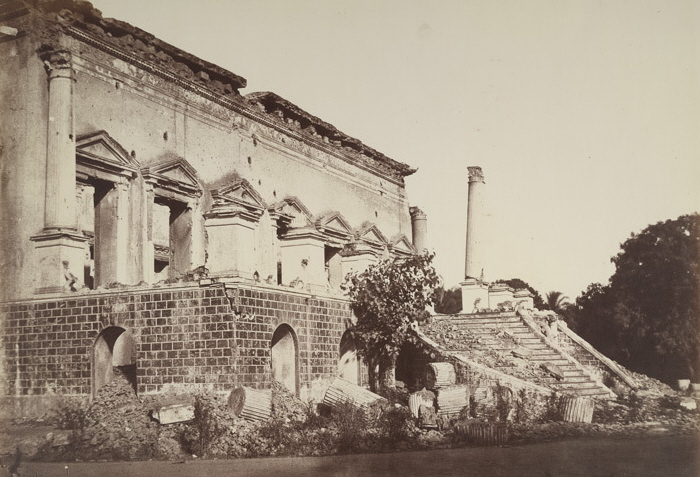
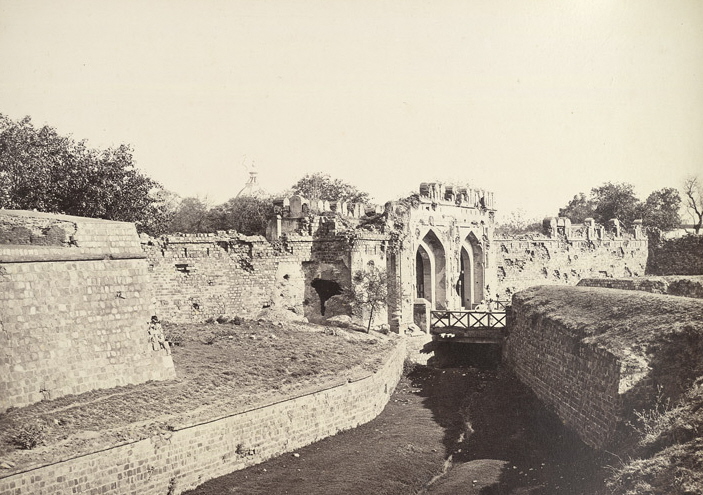
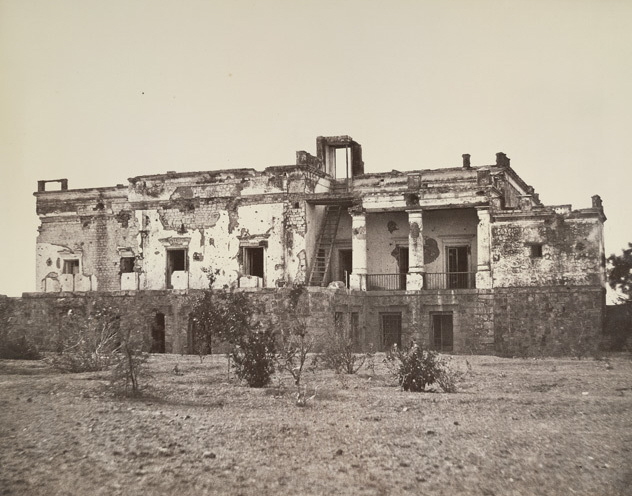
The conflict was marked by extraordinary brutality on both sides. Rebel forces inflicted violence on British officers and civilians, including women and children, while British reprisals targeted not only combatants but also their supporters, sometimes destroying entire villages. The cities of Delhi and Lucknow were reduced to ruins through sustained fighting and retaliatory campaigns. Yet the rebellion was far from a unified national movement. While many Indians took up arms against the Company, a significant number fought alongside British forces, and the majority of the population appeared to remain compliant. In Awadh, the uprising carried the character of a patriotic resistance against oppression, but rebel leaders never articulated a vision for a new political order or any articles of faith that would presage a successor system. The large princely states—Hyderabad, Mysore, Travancore, Kashmir, and the smaller Rajputana states—stayed out of the fighting entirely, serving, as Governor-General Lord Canning described them, as "breakwaters in a storm" that shielded British power from total collapse.
The Watershed and Its Aftermath
Though the rebellion did not produce a new government or a codified political program, it proved to be a decisive turning point in both Indian and imperial history. The Company's army, financial structures, and bureaucratic apparatus were all reorganized in the aftermath. In the decades that followed, when the promised rights were frequently withheld, Indian nationalists would invoke Victoria's proclamation as a moral benchmark in their growing assertions of self-determination, transforming a wartime gesture into a foundational text of political aspiration.
Gallery
Frequently Asked Questions
Who is Indian Rebellion of 1857?
It is a large-scale armed uprising against the rule of the British East India Company, centered in the upper Gangetic plain and central India. The conflict pitted Company Sepoys and civilian insurgents against British military forces.
What are Indian Rebellion of 1857's powers/role?
Its 'role' in the canon is that of a mass revolt: it mobilized disaffected soldiers and ordinary civilians into a coordinated challenge to Company authority across multiple regions. It functions as the turning-point event that dismantled the existing colonial administration.
How does Indian Rebellion of 1857's story end?
The rebellion was ultimately crushed, and the East India Company was formally dissolved. Sovereignty over India then passed directly to the British Crown, inaugurating the era known as the British Raj.
Why is Indian Rebellion of 1857 important?
It is widely regarded as the first major anti-colonial movement in Indian history and the direct cause of the Company's removal from power. Its outcome reshaped the political structure of British India for the next century.
Where and when does Indian Rebellion of 1857 take place?
The action is set in 1857 across India, with the heaviest fighting concentrated in the upper Gangetic plain and the central Indian heartland. It remains the primary setting for the entry's narrative arc.
More in Revolutions & Uprisings 1-15
Spotted an error? Know more?
This is a living reference — every entry is fact-audited, and reader corrections feed straight into our audit queue. Suggest an edit · See this site's audit record