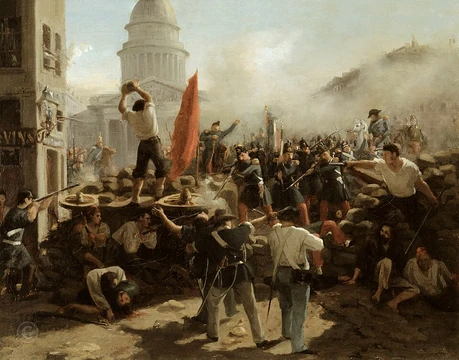
Haitian Revolution
Largest slave uprising since Spartacus, founding a free state.

Aldan-2 · CC BY-SA 4.0
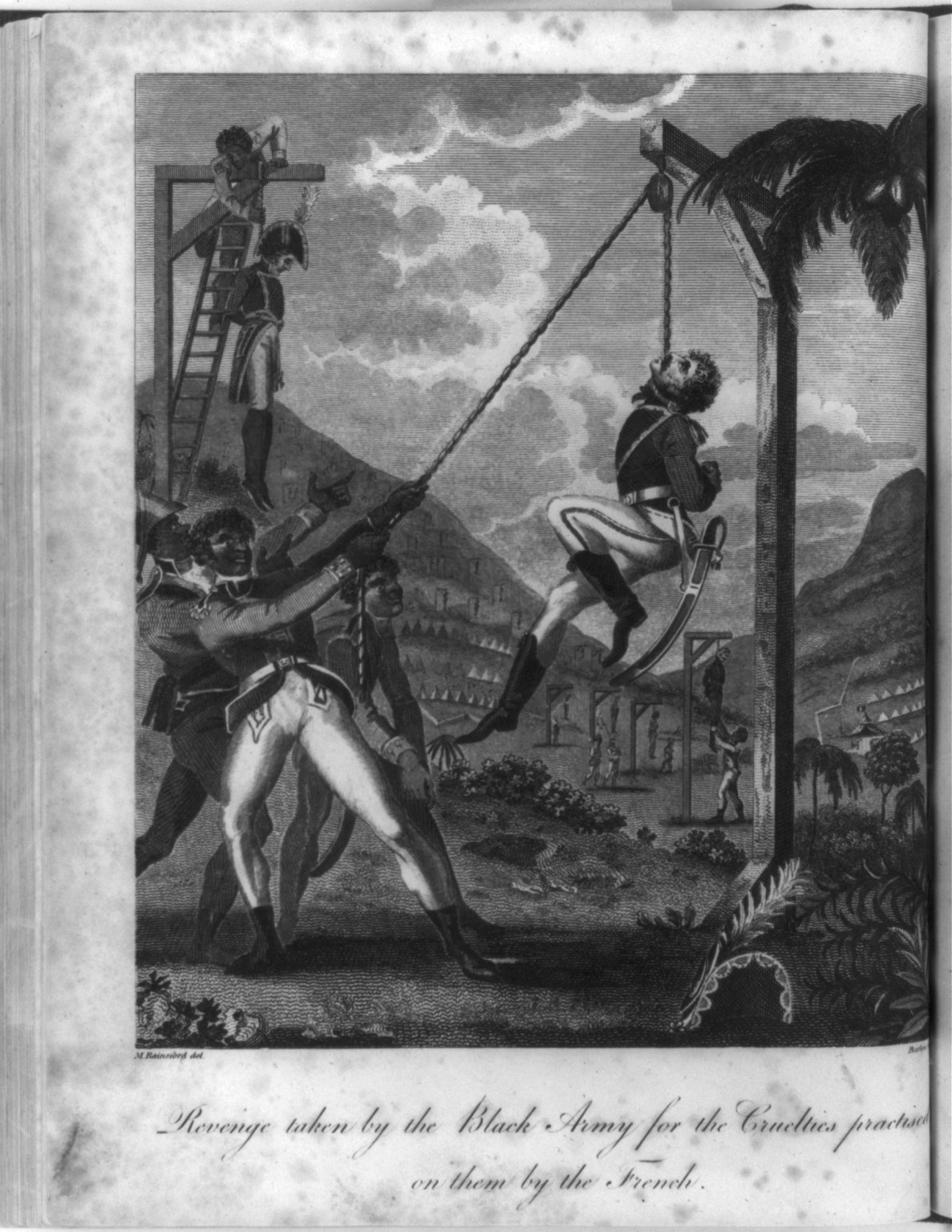
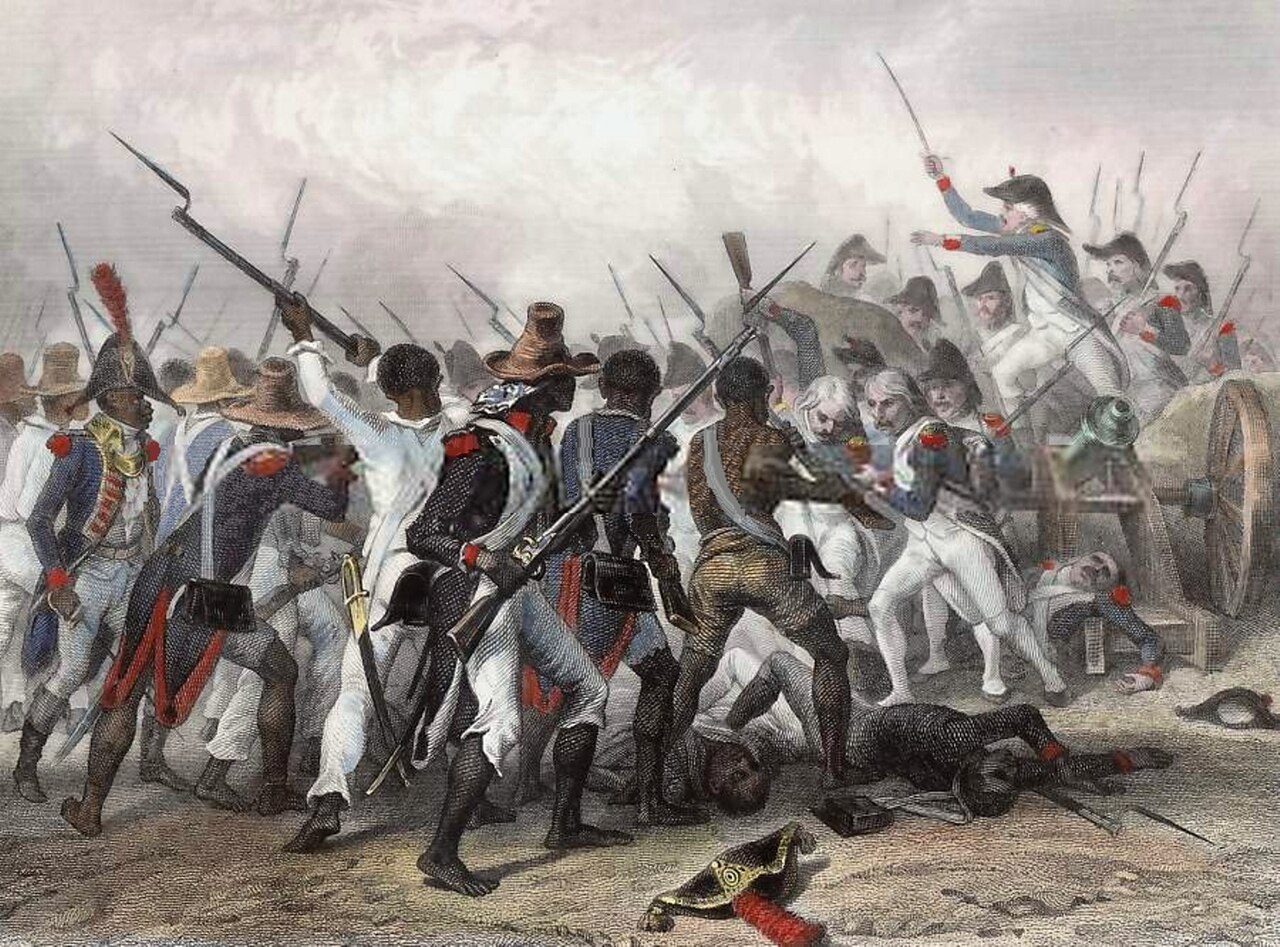
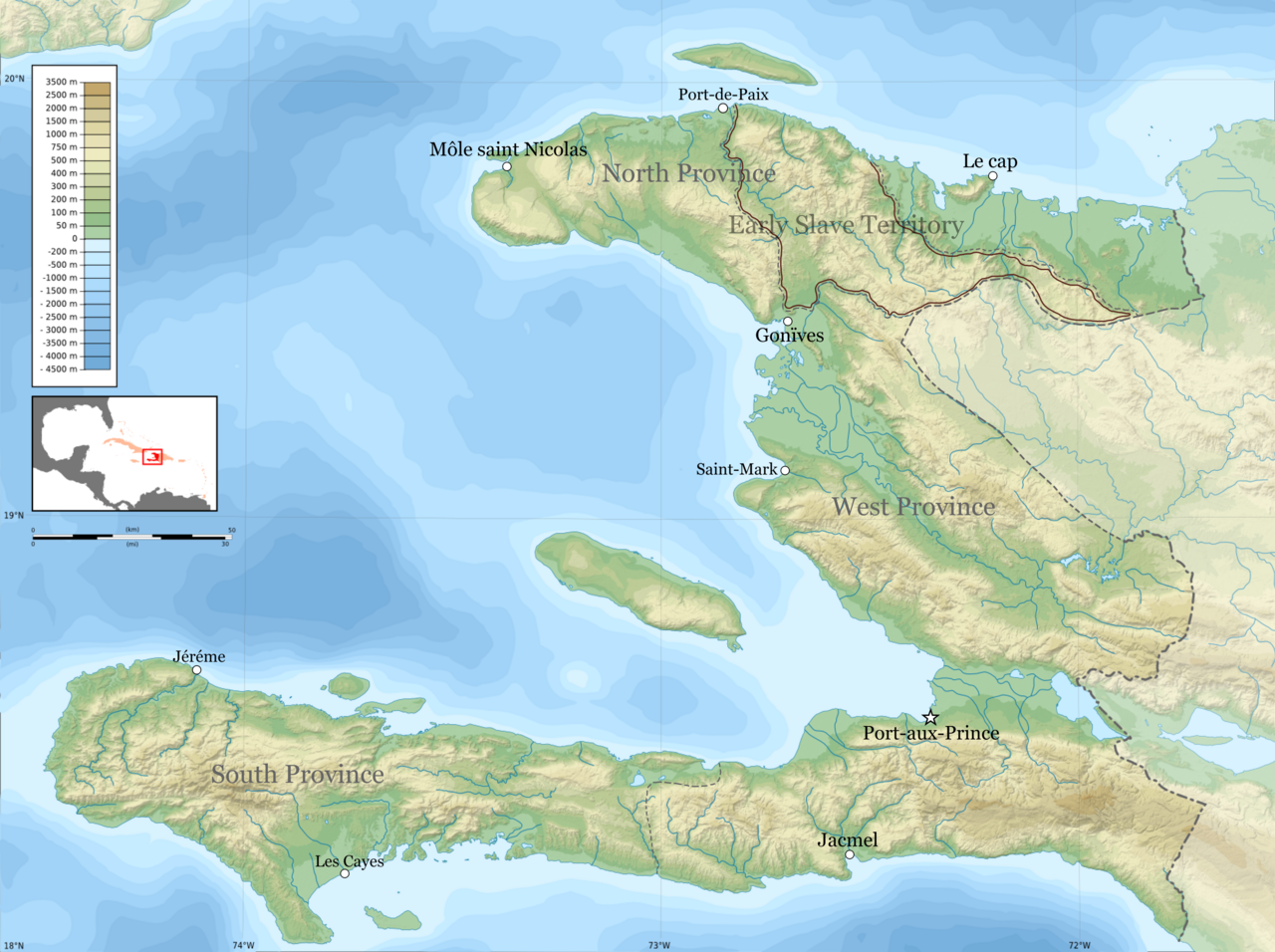
The Haitian Revolution was a successful insurrection by enslaved Africans against French colonial rule in Saint-Domingue, now the sovereign state of Haiti. It was one of the only known slave rebellions in human history that led to the founding of a state which was both free from slavery (though not from forced labour) and ruled by former captives.
- started
- 21 August 1791
- ended
- 1 January 1804
- location
- Saint-Domingue (now Haiti)
- participants
- Enslaved Africans, free people of color, French colonial authorities
- outcome
- Independence from France; abolition of slavery
- key_general
- Toussaint Louverture
Lore & Background
The revolution began with Vincent Ogé's 1790 revolt by free Mulattoes, which pressured the French Revolutionary government to grant them citizenship in May 1791. This destabilized Saint-Domingue and led to the slave revolt on 21 August 1791. The ex-slave Toussaint Louverture emerged as the most prominent general of the rebellion, which ended with independence on 1 January 1804. The colony of Saint-Domingue was the most profitable French colony, dependent on sugar, coffee, cocoa, and indigo plantations worked by enslaved Africans. Slaves suffered extreme cruelty, high mortality from diseases like yellow fever, and legal repression under the Code Noir, which masters openly broke. The population was divided into white colonists, free people of color (often mixed-race), and a majority of African-born slaves, who maintained their culture and developed the syncretic religion Vodou. The successful revolution challenged long-held European beliefs about African inferiority and slaves' ability to achieve and maintain freedom. The rebels' organizational capacity and tenacity inspired stories that shocked and frightened slave owners in the hemisphere.
Reader's Guide
The Haitian Revolution was a defining moment in the history of the Atlantic World, and its effects on the institution of slavery were felt throughout the Americas. The end of French rule and the abolition of slavery was followed by a successful defense of the freedoms the former slaves had won, and with the collaboration of already free people of color, of their independence from white Europeans. Compared to other Atlantic revolutions, the events in Haiti have received relatively little public attention; historian Michel-Rolph Trouillot characterizes the historiography as being 'silenced' by that of the French Revolution. The revolution was the largest slave uprising since Spartacus's unsuccessful revolt against the Roman Republic nearly 1,900 years earlier.
Did You Know?
- The revolution was one of the only known slave rebellions in human history that led to the founding of a state free from slavery and ruled by former captives.
- In 1787 alone, approximately 20,000 slaves were transported from Africa to Saint-Domingue.
- At least 50% of slaves from Africa died within a year of arriving, largely from yellow fever.
- The revolution was the largest slave uprising since Spartacus's unsuccessful revolt against the Roman Republic nearly 1,900 years earlier.
- Historian Michel-Rolph Trouillot characterized the historiography of the Haitian Revolution as being 'silenced' by that of the French Revolution.
The Sugar Engine of Saint-Domingue
By the 1740s, Saint-Domingue had become, alongside Jamaica, one of the two principal sources of sugar for the global market. French engineers had spent the preceding decade constructing elaborate irrigation networks to boost sugarcane yields, and the island's output was so vast that roughly six hundred vessels made the crossing to Bordeaux each year. The colony's agricultural exports were nearly as valuable as everything the Thirteen Colonies shipped to Britain combined. In 1789, about one million of France's twenty-five million inhabitants depended directly on goods arriving from Saint-Domingue, with several more millions relying on the trade indirectly. Beyond sugar, smaller plantations produced coffee, cocoa, and indigo, but none matched the sugar economy in scale or profit. Saint-Domingue stood as the most lucrative French colony in existence and ranked among the most profitable European colonies of the eighteenth century. This extraordinary wealth, however, was built entirely on the backs of enslaved Africans whose labor sustained every acre of cane field.
The Architecture of Oppression
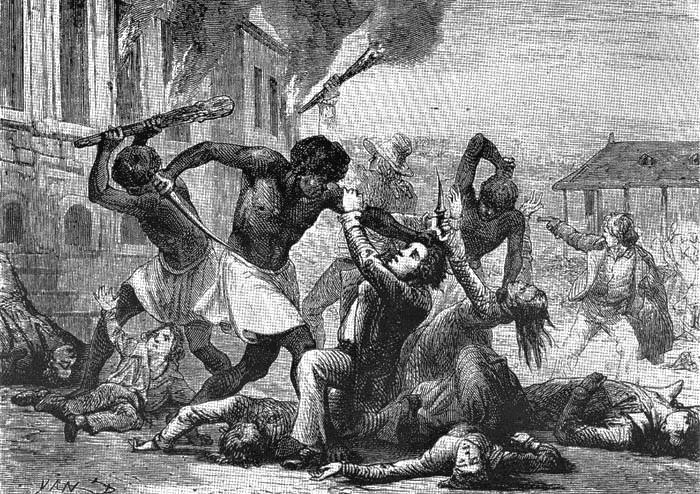
The human cost behind Saint-Domingue's profits was staggering. Tropical diseases—malaria and yellow fever—wreaked havoc on enslaved populations, and at least half of those brought from Africa perished within their first year on the island. In 1787 alone, some twenty thousand enslaved people were transported across the Atlantic to the colony. Faced with such relentless mortality, white planters adopted a brutal calculus: extract maximum labor at minimum cost, since the workers would likely die regardless. They provided only the barest food and shelter. The cruelty extended beyond physical exhaustion. Punishments for disobedience or escape included whipping, castration, and burning, administered both as personal punishment and public warning. King Louis XIV's Code Noir of 1685 had attempted to regulate treatment, but masters routinely violated it, and by the mid-eighteenth century local legislation had actually reversed parts of its protections. A rigid three-tier caste system—white colonists, free people of color, and the enslaved—locked everyone into fixed social positions, while rape by planters and overseers went largely unchecked.
From Uprising to Republic
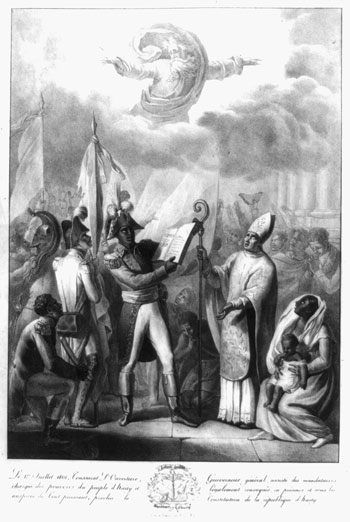
The path to liberation unfolded in stages. In 1790, Vincent Ogé led a revolt by free Mulattoes demanding equal rights, and the pressure of that insurrection compelled the French Revolutionary government to extend citizenship to free people of color by May 1791. The resulting tensions with slave-owning whites destabilized the entire colony, setting the stage for the massive slave uprising that erupted on 21 August 1791. Over the next decade, the rebellion grew into a full-scale war of independence, with the former slave Toussaint Louverture rising as its most prominent military commander. On 1 January 1804, the former colony declared itself a sovereign nation. The revolution was the largest slave uprising since Spartacus's failed revolt against Rome nearly two millennia earlier. What made it singular was its success: it produced a state free from slavery and governed by former captives, a feat virtually unmatched in recorded history. The new republic then had to defend its hard-won freedoms against European powers, doing so in collaboration with the already-free people of color who had been part of the struggle from the beginning.
Echoes Across the Atlantic and the Silence of History
The Haitian Revolution sent shockwaves far beyond the island. By proving that enslaved people could organize, fight, win, and sustain a free society, it directly challenged the long-standing European conviction of African inferiority and the assumption that the enslaved could never achieve or hold onto their own liberty. The rebels' capacity for organization and their tenacity under extreme pressure generated stories that terrified slave owners across the hemisphere. The revolution's impact on the institution of slavery was felt throughout the Americas, making it a defining moment in Atlantic World history. Yet in the centuries that followed, the event received comparatively little public attention. The historian Michel-Rolph Trouillot argued that the historiography of the Haitian Revolution was effectively 'silenced' by the far more celebrated narrative of the French Revolution.
Gallery
Frequently Asked Questions
What is the Haitian Revolution?
It was a successful armed insurrection in which enslaved Africans in the French colony of Saint-Domingue overthrew colonial rule and established a new, independent nation.
Who was the key general of the Haitian Revolution?
Toussaint Louverture is widely recognized as the revolution's foremost military and political leader, guiding the struggle toward independence.
When did the Haitian Revolution begin and end?
The uprising started on 21 August 1791 and reached its conclusion with Haiti's formal declaration of independence on 1 January 1804.
What did the Haitian Revolution achieve?
It secured full independence from France and abolished the institution of slavery on the island, though some forms of coerced labor continued afterward.
Why is the Haitian Revolution considered so important?
It remains one of the only slave rebellions in human history to successfully dismantle a colonial system and found a sovereign state ruled by formerly enslaved people, and it was the largest such uprising since Spartacus's revolt.
More in Revolutions & Uprisings 1-15
Spotted an error? Know more?
This is a living reference — every entry is fact-audited, and reader corrections feed straight into our audit queue. Suggest an edit · See this site's audit record