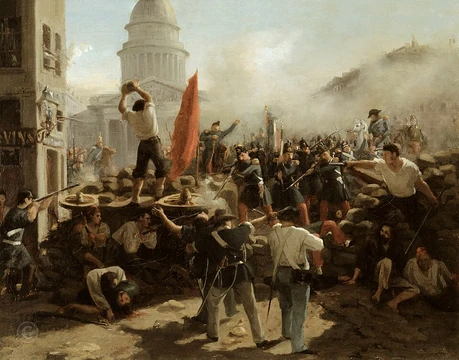
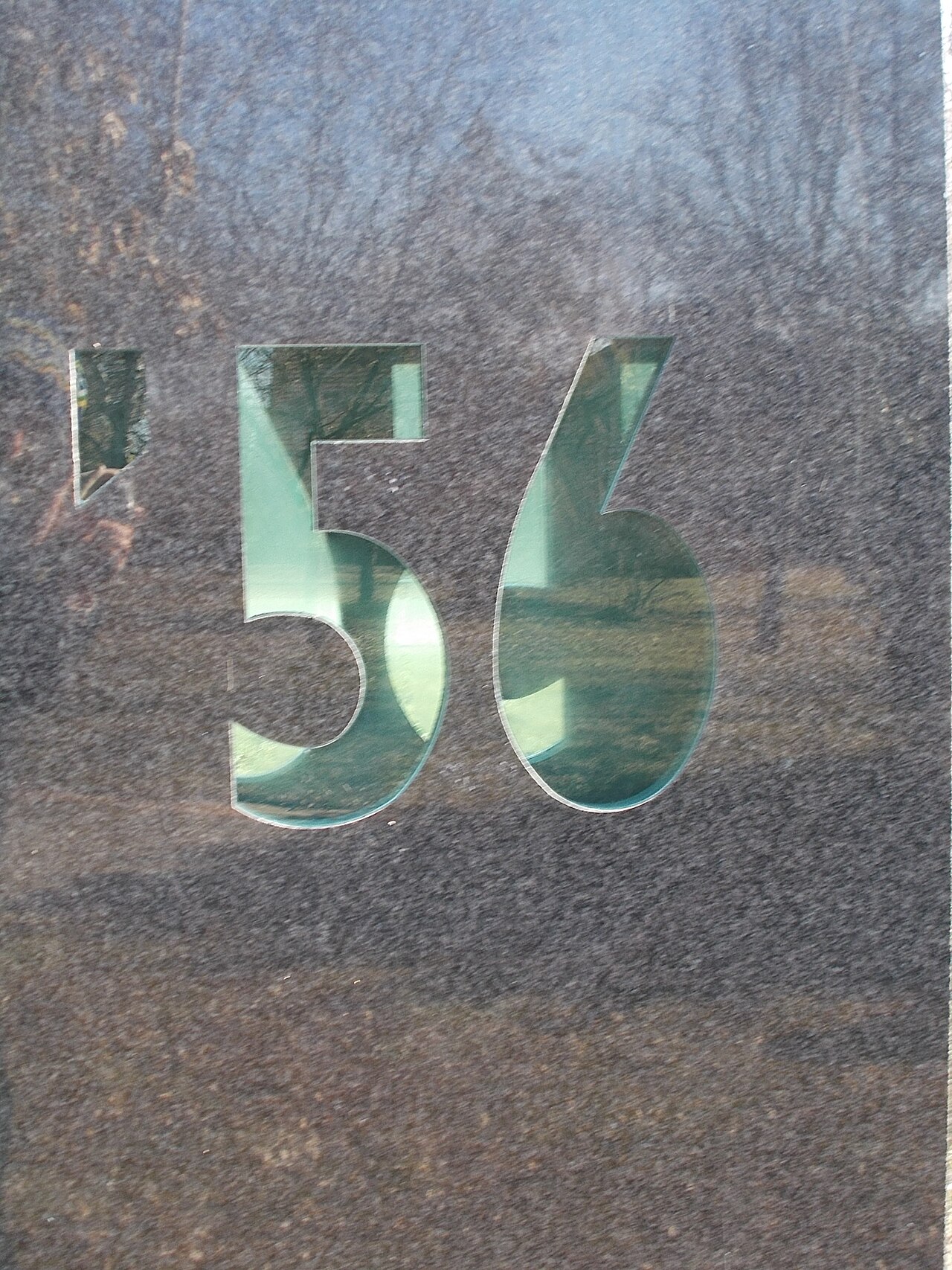
Hungarian Revolution of 1956
A 15-day uprising against Soviet domination, crushed by Soviet forces.

Globetrotter19 · CC BY-SA 3.0
Thousands were killed or wounded, and nearly a quarter of a million Hungarians fled the country.
- location
- Hungary (primarily Budapest)
- participants
- Hungarian revolutionaries, Soviet Army, ÁVH
- outcome
- Soviet victory; revolution suppressed
- refugees
- 200,000 Hungarians fled to Austria
Lore & Background
A delegation of students entered the building of Magyar Rádió to broadcast their sixteen demands but were detained. When protestors demanded their release, ÁVH police fatally shot several students. The siege of the Radio building ended around 8:00 am, with revolutionaries breaking in and taking prisoners, including executing ÁVH officer Major Fehér with a shot to the back of the head.
Reader's Guide
The uprising was a direct challenge to Stalinist rule and Soviet domination, sparked by economic hardship, political repression, and a desire for national sovereignty. The revolution's rapid suppression by Soviet forces, despite initial negotiations, underscored the USSR's determination to maintain control over the Eastern Bloc. The event prompted a massive refugee crisis, with 200,000 Hungarians fleeing to Austria, and led to a hardening of Soviet policy. The revolution's legacy influenced later dissent in Eastern Europe and remains a symbol of resistance against authoritarian rule.
Did You Know?
- The ÁVH officer Major Fehér was executed by revolutionaries with a shot to the back of the head.
- 200,000 Hungarians sought political refuge abroad, mostly to Austria, after the revolution was crushed.
The Spark: Students, the Radio Building, and the First Blood
A student delegation entered Magyar Rádió to broadcast sixteen demands for political and economic reform, but security guards detained them. When the crowd outside demanded their release, ÁVH police opened fire, killing several students. What followed was a siege of the radio building that stretched from just after midnight until roughly 8:00 a.m. By the time the revolutionaries finally breached the building, they had turned the tables: soldiers, officer cadets, and ÁVH personnel inside were taken as prisoners. In one of the uprising's most brutal early acts, ÁVH Major Fehér was executed with a shot to the back of the head. That single night transformed a student demonstration into a full-scale armed confrontation with the state security apparatus.
Fifteen Days of Self-Governance
In the days following the radio building siege, the revolution rapidly restructured Hungarian society from the ground up. Citizens organized into revolutionary militias to confront the ÁVH, while local communist officials and security officers were captured and, in many cases, summarily executed. Political prisoners were freed and handed weapons. To give their political, economic, and social demands institutional weight, local soviets—councils of workers—seized municipal authority from the Hungarian Working People's Party. The new government under Imre Nagy moved decisively: on 28 October the ÁVH was formally disbanded, on 1 November Hungary declared its withdrawal from the Warsaw Pact, and a pledge was made to restore free elections. By the end of October, the most intense street fighting in Budapest had largely subsided, and for a brief window the country appeared to be charting an independent political course free from Moscow's dictate.
Soviet Intervention and the Human Toll
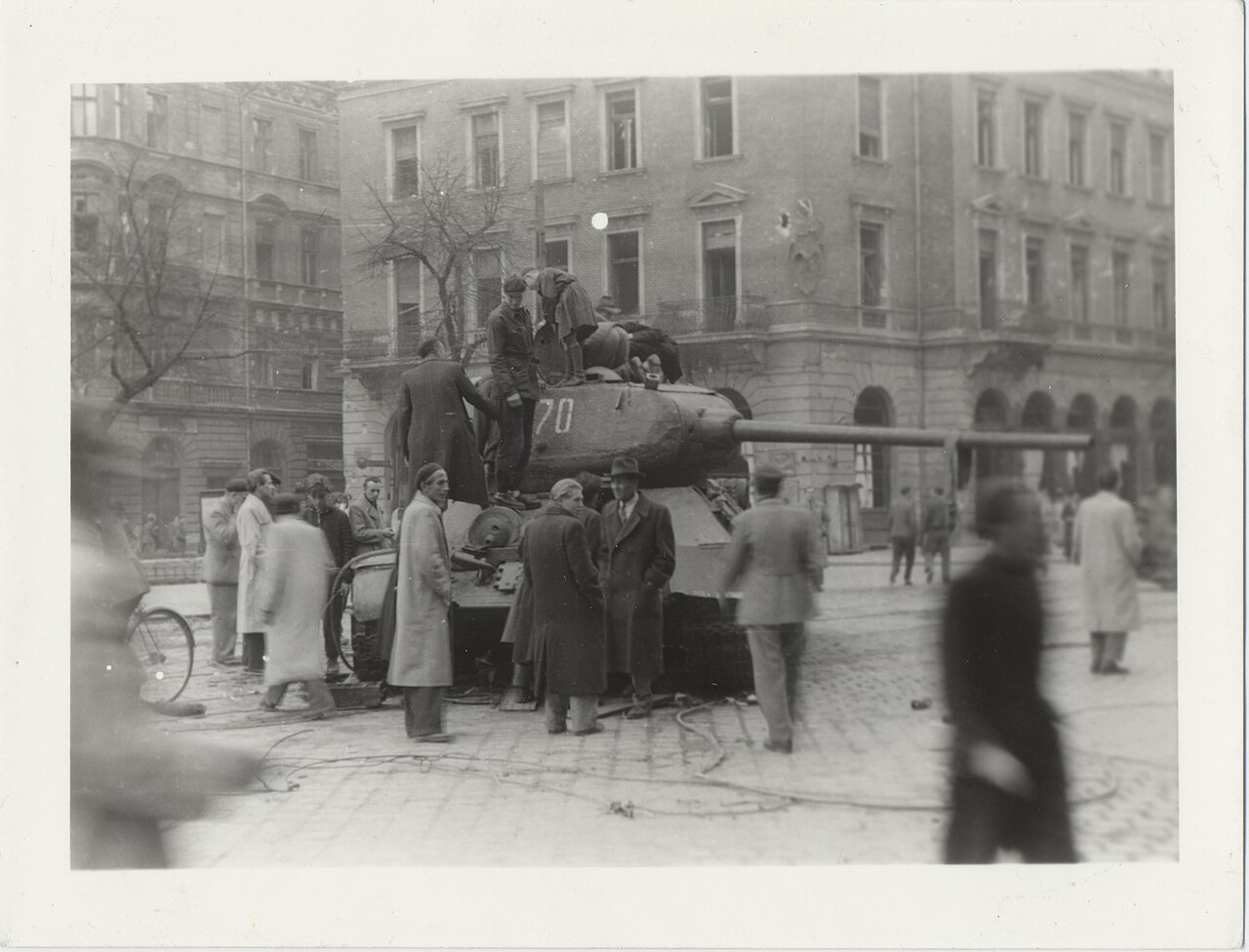
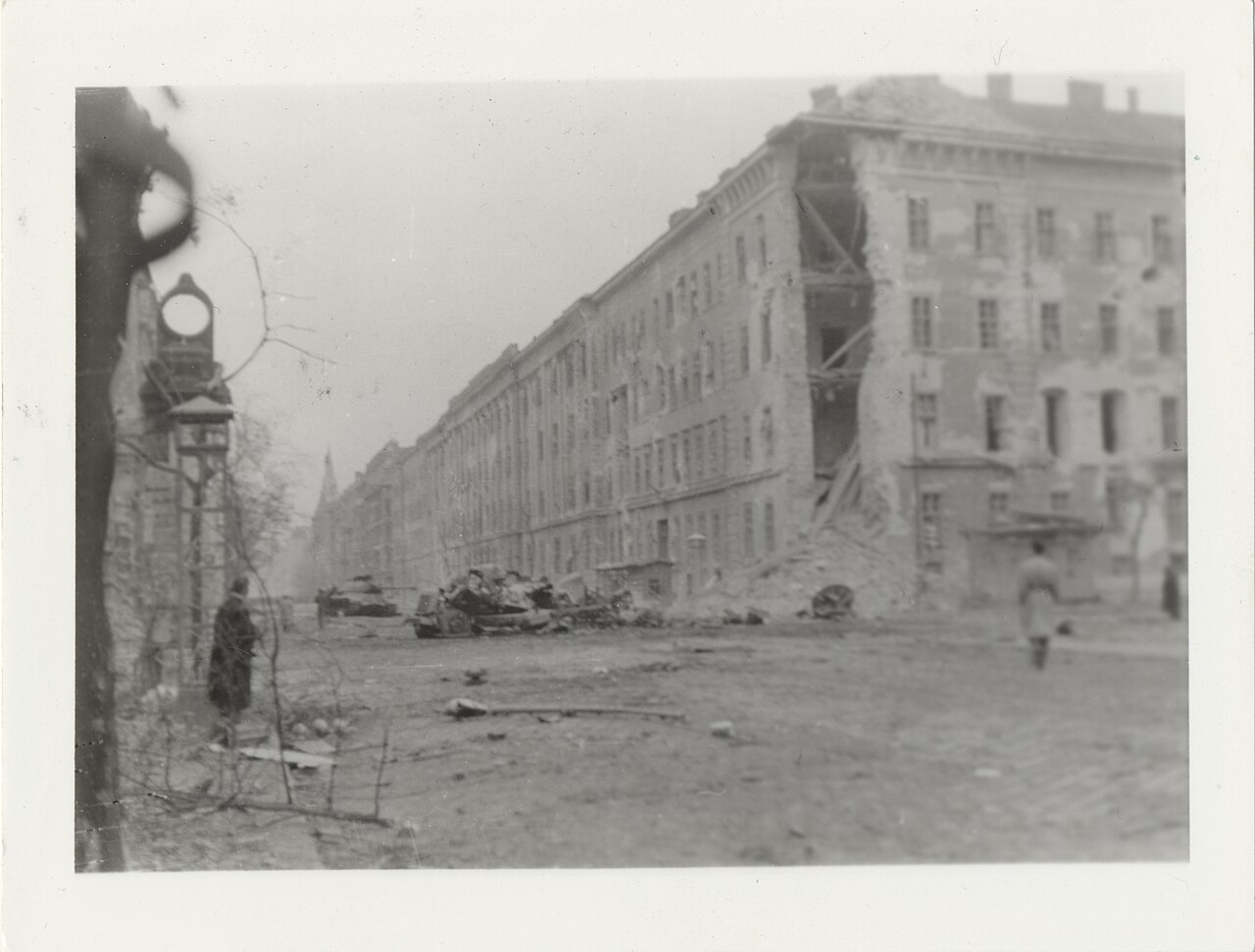
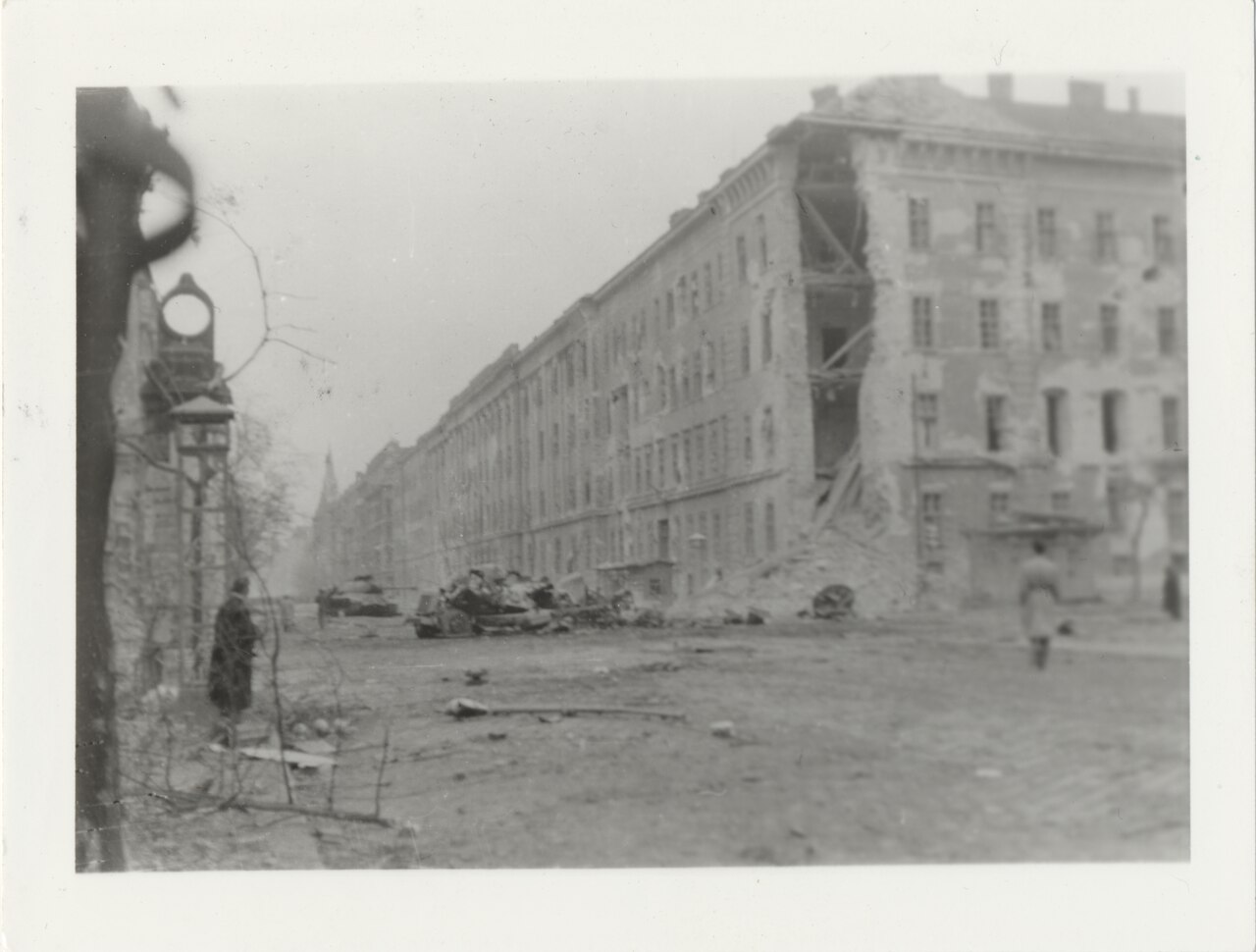
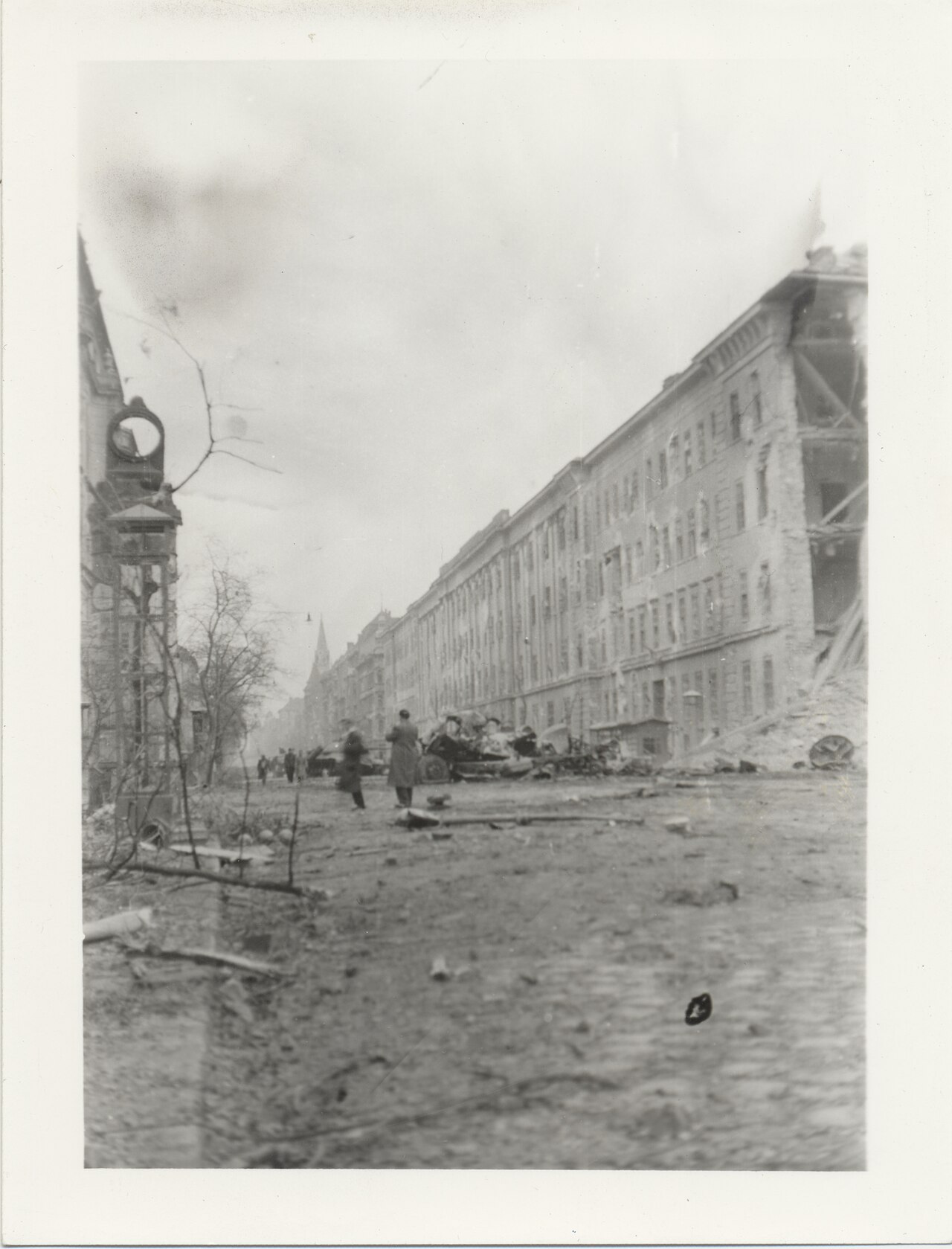
Although the USSR initially appeared open to negotiating the withdrawal of its forces from Hungarian soil—holding talks on 3 November—Moscow ultimately chose military repression. Fighting continued until Soviet victory was secured on 10 November, though in areas outside Budapest sporadic firefights persisted until at least 12 November. Far more consequential was the exodus that followed. Nearly a quarter of a million Hungarians—around 200,000—fled the country in search of political refuge, the vast majority crossing into Austria. What had begun as a fifteen-day revolution against Soviet domination ended in a mass displacement that reshaped Hungarian demographics and scattered a generation of intellectuals, workers, and families across the Western world.
The Road to 1956: Occupation, Stalinism, and Suppressed Freedom
The revolution did not emerge from a vacuum. In the postwar period, a brief multi-party democracy took root under President Zoltán Tildy and Prime Minister Ferenc Nagy, with the Independent Smallholders Party leading a coalition. Control of the ÁVH was transferred to the communists, who employed intimidation, false accusations, imprisonment, and torture against political opponents. The Hungarian People's Republic was proclaimed, COMECON was signed, and Rákosi's Stalinist regime used the ÁVH to purge thousands of dissidents.
Gallery
Frequently Asked Questions
Who is Hungarian Revolution of 1956?
It's a 15-day armed uprising that erupted in Budapest and across Hungary in late October 1956, driven by ordinary Hungarians who refused to accept Soviet-imposed political control any longer. In the Revolutions & Uprisings 1-15 lineup, it holds the #1 slot.
What are Hungarian Revolution of 1956's powers/role?
Its core 'ability' is mass popular mobilization against an occupying superpower—students, factory workers, and defected ÁVH officers seized weapons and built barricades in Budapest to demand national sovereignty and democratic reform. It functioned as a direct, on-the-ground challenge to Soviet military and political authority over Eastern Europe.
How does Hungarian Revolution of 1956's story end?
The arc closes in tragedy: after roughly two weeks of street fighting, the Soviet Army rolled back into Budapest and crushed the uprising, killing thousands and wounding many more. In the immediate aftermath, nearly 200,000 Hungarians fled westward into Austria, and the revolution's leaders were arrested, tried, or executed.
Why is Hungarian Revolution of 1956 important?
It demonstrated that a small nation's population could confront a heavily militarized superpower in open, armed revolt, making it a defining symbol of Eastern Bloc resistance to Soviet domination. Its brutal suppression also deepened Cold War divisions and shaped Western and Soviet public opinion for decades to come.
Who are the main participants in Hungarian Revolution of 1956?
On the revolutionary side, you have Hungarian university students, industrial workers, and defected ÁVH (secret police) personnel who organized the barricades and armed resistance. On the opposing side, the Soviet Army and remaining loyalist ÁVH units carried out the military suppression.
More in Revolutions & Uprisings 1-15
Spotted an error? Know more?
This is a living reference — every entry is fact-audited, and reader corrections feed straight into our audit queue. Suggest an edit · See this site's audit record