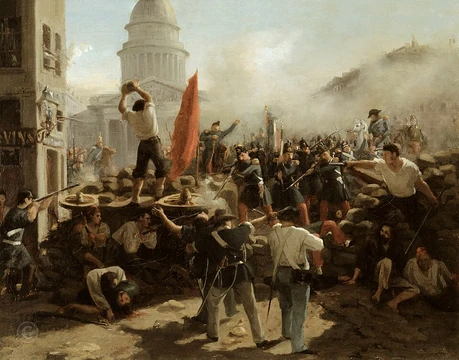
Cultural Revolution
A sociopolitical movement launched by Mao Zedong from 1966 to 1976.

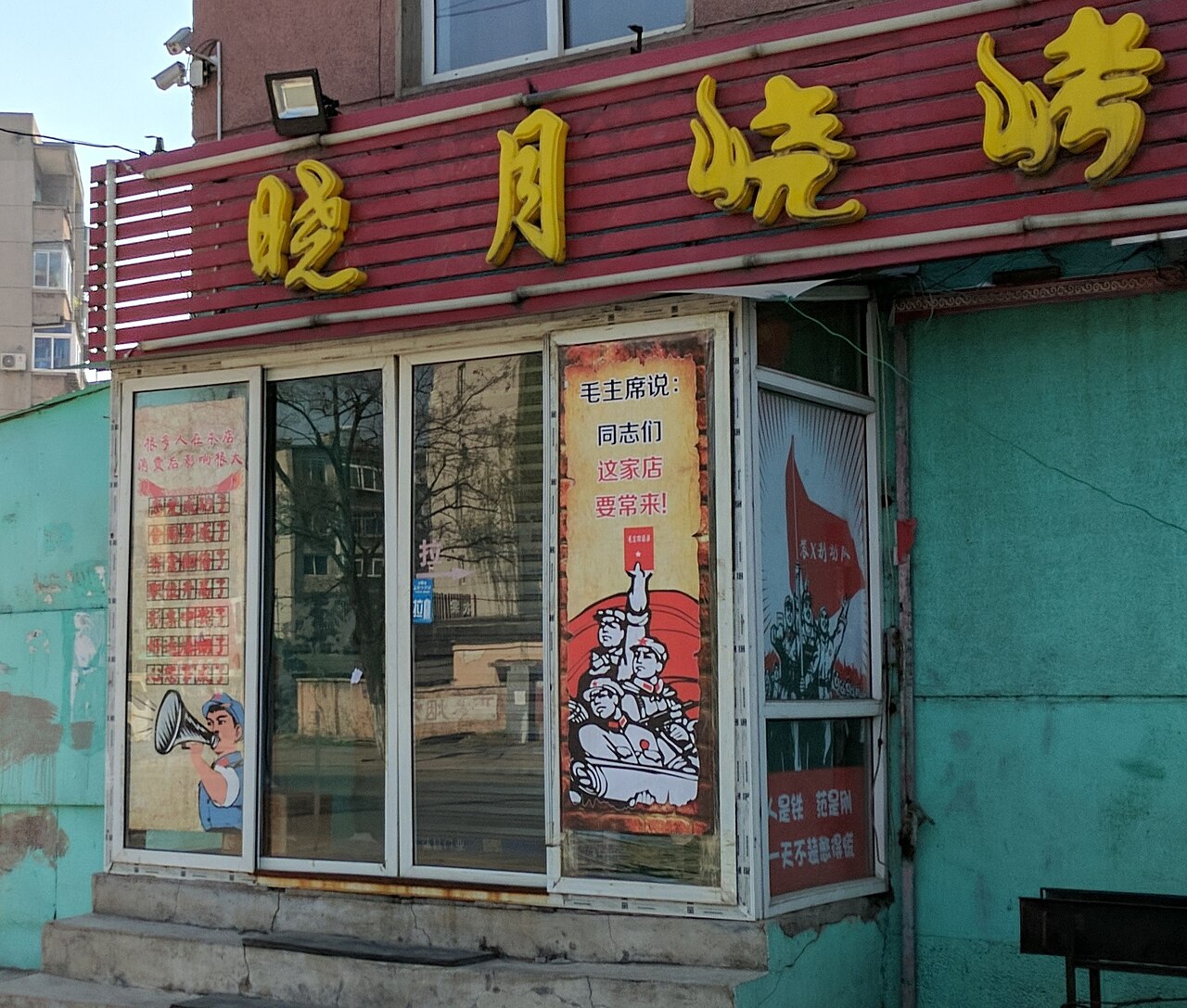
闫恩铭/Enming Yan · CC BY-SA 4.0
The Cultural Revolution, formally known as the Great Proletarian Cultural Revolution, was a sociopolitical movement in the People's Republic of China. It was launched by CCP chairman Mao Zedong in 1966 and lasted until his death in 1976. Its stated goal was to preserve Chinese communism by purging remnants of capitalist and traditional elements from Chinese society. The movement was characterized by violence and chaos across Chinese society, with estimates of the death toll ranging from 1 to 2 million. In 1981, the Communist Party publicly acknowledged the Cultural Revolution as responsible for the most severe setback and the heaviest losses suffered by the people, the country, and the party since the founding of the People's Republic.
- started
- 1966
- ended
- 1976
- initiated_by
- Mao Zedong
- country
- People's Republic of China
- known_for
- Mass upheaval, destruction of cultural artifacts, persecution of millions
Verified Timeline
Lore & Background
The Cultural Revolution was launched by Mao Zedong in May 1966 with the help of the Cultural Revolution Group. Mao said that bourgeois elements had infiltrated the government and society with the aim of restoring capitalism. He called on young people to 'Bombard the Headquarters', and proclaimed that 'to rebel is justified'. Mass upheaval began in Beijing with Red August in 1966. Many young people responded by forming cadres of Red Guards throughout China. Quotations from Chairman Mao Tse-tung became revered within a cult of personality. In 1967, emboldened radicals rebelled and seized power from local governments and party branches, establishing revolutionary committees in their place while smashing public security, procuratorate and judicial systems. These committees often split into factions, precipitating armed clashes among the radicals. After the fall of Lin Biao in 1971, the Gang of Four became influential in 1972, and the revolution continued until Mao's death in 1976, followed by the arrest of the Gang of Four.
Reader's Guide
The Cultural Revolution was characterized by violence and chaos across Chinese society. Estimates of the death toll vary, ranging from 1 to 2 million, including the Guangxi Massacre that included cannibalism, as well as massacres in Beijing, Inner Mongolia, Guangdong, Yunnan, and Hunan. Red Guards sought to destroy the Four Olds (old ideas, old culture, old customs, and old habits), which often took the form of destroying historical artifacts and cultural and religious sites. Tens of millions were persecuted, including officials such as Liu Shaoqi, Deng Xiaoping and Peng Dehuai; millions were persecuted for being members of the Five Black Categories, with intellectuals and scientists labelled as the Stinking Old Ninth. Schools and universities were closed, and the National College Entrance Examinations were cancelled. Over 10 million youth from urban areas were relocated under the Down to the Countryside Movement. In 1978, Deng Xiaoping became the paramount leader, replacing Mao's successor Hua Guofeng. Deng and his allies introduced the Boluan Fanzheng program and initiated the reform and opening up, which, together with the New Enlightenment movement, dismantled the ideology of the Cultural Revolution. In 1981, the Communist Party publicly acknowledged failures of the Cultural Revolution, declaring it 'responsible for the most severe setback and the heaviest losses suffered by the people, the country, and the party since the founding of the People's Republic.'
Did You Know?
- The Cultural Revolution was formally known as the Great Proletarian Cultural Revolution.
- Mao Zedong proclaimed that 'to rebel is justified' during the movement.
- The Guangxi Massacre during the Cultural Revolution included acts of cannibalism.
- Over 10 million youth from urban areas were relocated under the Down to the Countryside Movement.
- In 1981, the Communist Party declared the Cultural Revolution responsible for 'the most severe setback and the heaviest losses' since the founding of the PRC.
Origins and the Call to Uprising
Mao Zedong, serving as chairman of the CCP, set the Cultural Revolution in motion in May 1966 with the assistance of a body called the Cultural Revolution Group. His central claim was that bourgeois elements had penetrated the government and broader society with the intention of resurrecting capitalism. To counter this perceived threat, he issued a rallying cry to the nation's youth—urging them to 'Bombard the Headquarters' and declaring that 'to rebel is justified'. The stated objective was to safeguard Chinese communism by stripping away capitalist and traditional residues from society. The movement's name, 'cultural revolution,' had earlier roots in party discourse, where it had been used interchangeably with 'cultural construction' to describe literacy campaigns and broader civic participation, sometimes drawing comparisons to the May Fourth Movement or the Soviet cultural revolution of 1928–1931. By the time Mao repurposed the term for his 1966 campaign, it carried a weight of revolutionary precedent that lent the new upheaval a sense of historical continuity.
The Shattering of Institutional Order
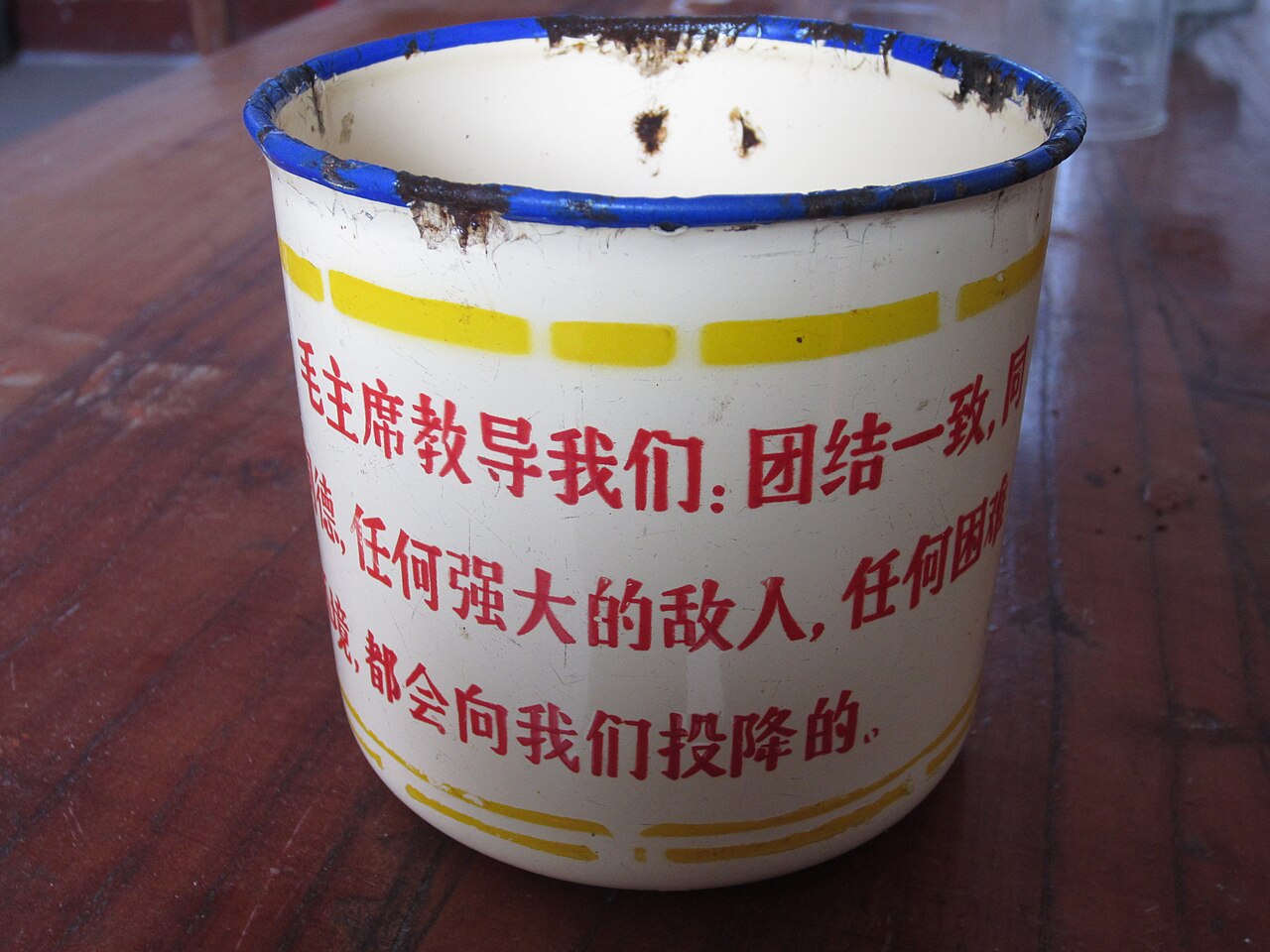
The initial mass upheaval, which erupted in Beijing during what became known as Red August in 1966, quickly spread as young people across China organized themselves into Red Guard cadres. Quotations from Chairman Mao Tse-tung became objects of near-religious reverence, feeding a powerful cult of personality. By 1967, radical factions grew bold enough to overthrow local governments and party branches, replacing them with so-called revolutionary committees. In doing so, they smashed public security, procuratorial, and judicial institutions. These new bodies frequently fractured into rival factions, triggering armed confrontations among the radicals themselves. The power landscape shifted again after Lin Biao's fall in 1971; the following year, a group that would be called the Gang of Four rose to prominence. The revolution persisted until Mao's death in 1976, after which the Gang of Four were arrested, marking the abrupt end of an era defined by institutional collapse and factional warfare.
Persecution, Violence, and the Destruction of Culture
The decade was marked by widespread violence and social chaos. Death toll estimates range from 1 to 2 million, encompassing massacres in Beijing, Inner Mongolia, Guangdong, Yunnan, and Hunan, as well as the Guangxi Massacre, which reportedly included acts of cannibalism. Red Guards targeted what they termed the Four Olds—old ideas, old culture, old customs, and old habits—frequently by destroying historical artifacts, cultural and religious sites. Tens of millions faced persecution: senior officials including Liu Shaoqi, Deng Xiaoping, and Peng Dehuai were among those targeted, while millions more suffered for belonging to the Five Black Categories. Intellectuals and scientists were labelled as the 'Stinking Old Ninth.' Educational infrastructure collapsed as schools and universities shut down and the National College Entrance Examinations were cancelled. More than 10 million urban youth were uprooted and sent to rural areas under the Down to the Countryside Movement, severing an entire generation from conventional academic and professional pathways.
Reckoning, Reform, and Living Memory
After Mao's death, Hua Guofeng briefly succeeded him, but by 1978 Deng Xiaoping had emerged as the paramount leader. Deng and his allies launched the Boluan Fanzheng program and initiated the sweeping reform and opening-up policies that, alongside the New Enlightenment movement, systematically dismantled the ideological framework of the Cultural Revolution. In 1981, the Communist Party issued a formal acknowledgment of the era's failures, declaring it 'responsible for the most severe setback and the heaviest losses suffered by the people, the country, and the party since the founding of the People's Republic.' In contemporary China, memories of the decade remain deeply varied and complex. The period is commonly referred to as the 'ten years of chaos' or the 'ten years of havoc,' phrases that capture both the disorder and the profound human suffering that defined it.
Gallery

Frequently Asked Questions
Who launched the Cultural Revolution and when did it take place?
Mao Zedong, then chairman of the Communist Party of China, initiated the movement in 1966. It continued for a full decade, ending with his death in 1976.
What was the Cultural Revolution's stated purpose?
The movement was framed as an effort to protect Chinese communism by rooting out what its leaders saw as lingering capitalist and traditional influences in society. In practice, it became a decade of widespread social disruption and political persecution.
How did the Cultural Revolution come to an end?
The upheaval effectively concluded with Mao Zedong's death in 1976. In 1981, the Communist Party formally acknowledged the period as a grave error and recognized the enormous harm it inflicted on the nation.
Why is the Cultural Revolution considered historically significant?
It stands as one of the most dramatic episodes of mass political upheaval in the twentieth century, reshaping Chinese society and leaving a lasting mark on its institutions and culture. Estimates of those who lost their lives range from one to two million.
What is the Cultural Revolution most commonly known for?
It is widely recognized for the destruction of cultural heritage, the persecution of millions of ordinary citizens, and the chaos it unleashed across every level of daily life in China. Its formal title was the Great Proletarian Cultural Revolution.
More in Revolutions & Uprisings 1-15
Spotted an error? Know more?
This is a living reference — every entry is fact-audited, and reader corrections feed straight into our audit queue. Suggest an edit · See this site's audit record