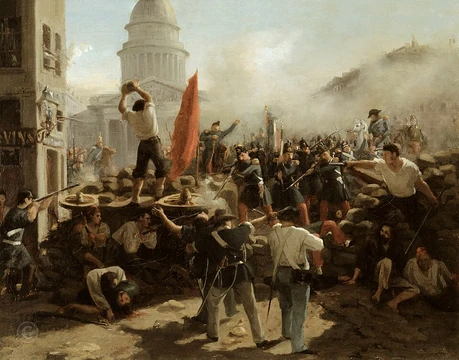
English Civil War
A series of civil wars over the balance of power in England.

The British Library · No restrictions
- Conflict
- English Civil War
- Belligerents
- Royalists vs Parliamentarians
- Outcome
- Parliamentarian victory; execution of Charles I; establishment of the Commonwealth of England
- Key Figures
- Oliver Cromwell, Prince Rupert, Charles I, Charles II
- Also Known As
- Great Rebellion, The Great Civil War, English Revolution
Lore & Background
The conflict was rooted in tensions between the monarchy and Parliament, exacerbated by the personal union of the Scottish and English kingdoms under James I and his son Charles I. Charles I's belief in the Divine Right of Kings and his desire to unite England, Scotland, and Ireland into a single kingdom alarmed many English Parliamentarians, who feared the destruction of old English traditions.
Reader's Guide
The outcome of the civil wars effectively set England and Scotland on course towards a parliamentary monarchy form of government. The conflict also introduced the disciplined New Model Army under Oliver Cromwell, which won many decisive victories against the Royalist cavalry. The terms 'Cavalier' and 'Roundhead' originated as pejoratives for Royalists and Parliamentarians respectively.
Did You Know?
- The term 'Cavalier' comes from the same Latin root as the Spanish word 'caballero' and was used as an insult implying pro-Spanish sympathies.
- The Royalist cavalry had a tendency to chase down individual targets after the initial charge, leaving their forces scattered and tired.
- The wars spanning all four countries are known as the Wars of the Three Kingdoms.
The Political Heart of the Conflict
Yet that military victory immediately exposed deep fractures within the winning side. Most Parliamentarians had taken up arms to secure Parliament's role in governance, not to dismantle the monarchy itself. When Charles refused to offer meaningful concessions, the situation deadlocked. Fears about the political ambitions of radical figures like Oliver Cromwell within the New Model Army pushed moderate Parliamentarians into an uneasy alliance with former Royalist opponents, backed by the Covenanter Scots.
The Battlefield Revolution
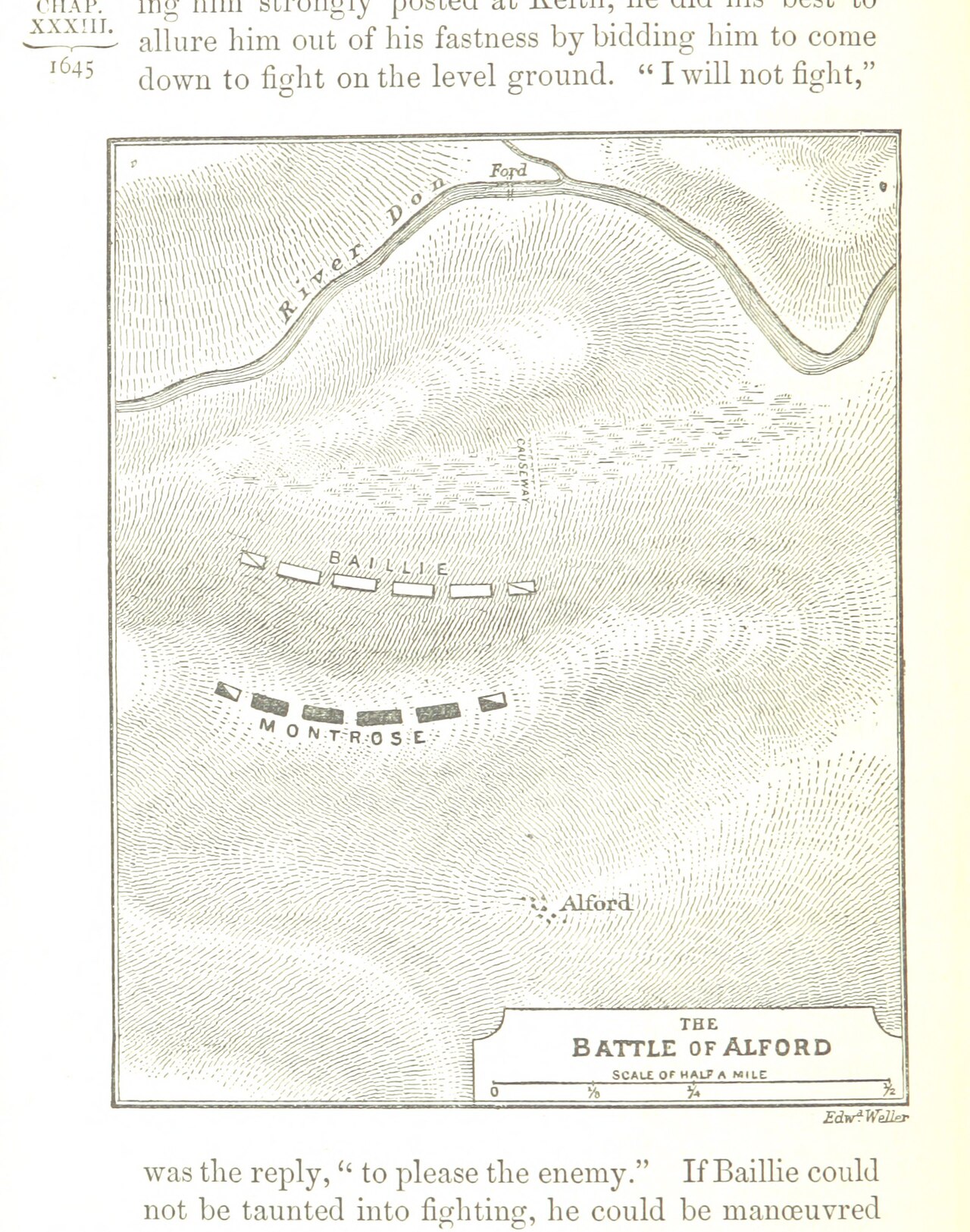
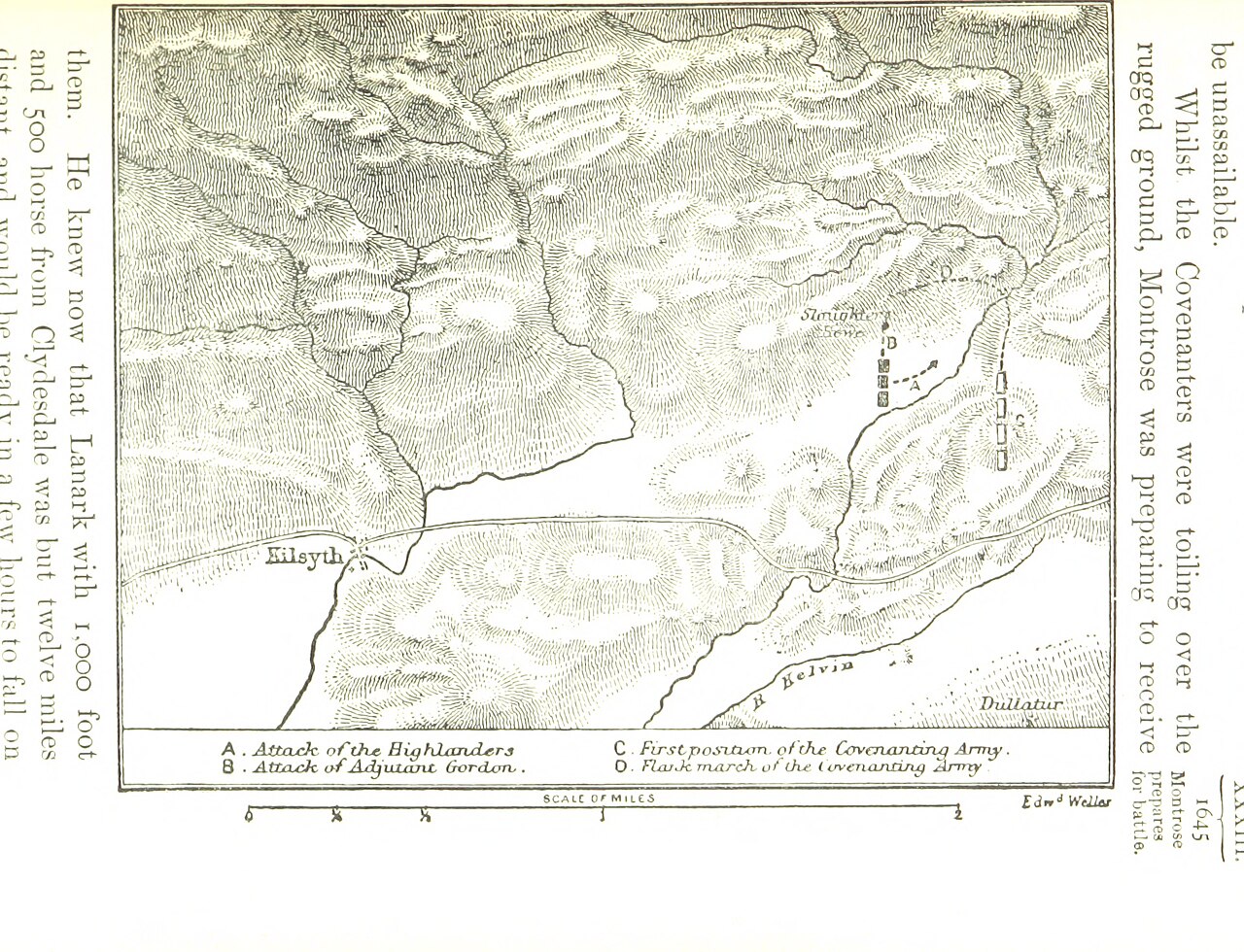
The English Civil War introduced a scale of organized combat that England had never previously witnessed. The dominant tactical formation was pike and shot infantry: opposing armies would array themselves in long lines, with musketeers forming the central brigades. Pikes ranging from 12 to 18 feet guarded the musketeers against cavalry charges, while flanking cavalry wings aimed to rout the enemy horse before wheeling against their infantry. The Royalist cavaliers, including Prince Rupert, exploited speed and shock, charging at full gallop and firing pistols just before impact. Cromwell's New Model Army countered with slower but far more disciplined units that held formation under pressure, refusing to scatter after the initial charge, and ultimately winning decisive engagements through cohesion rather than raw speed.
A Nation Divided by Geography
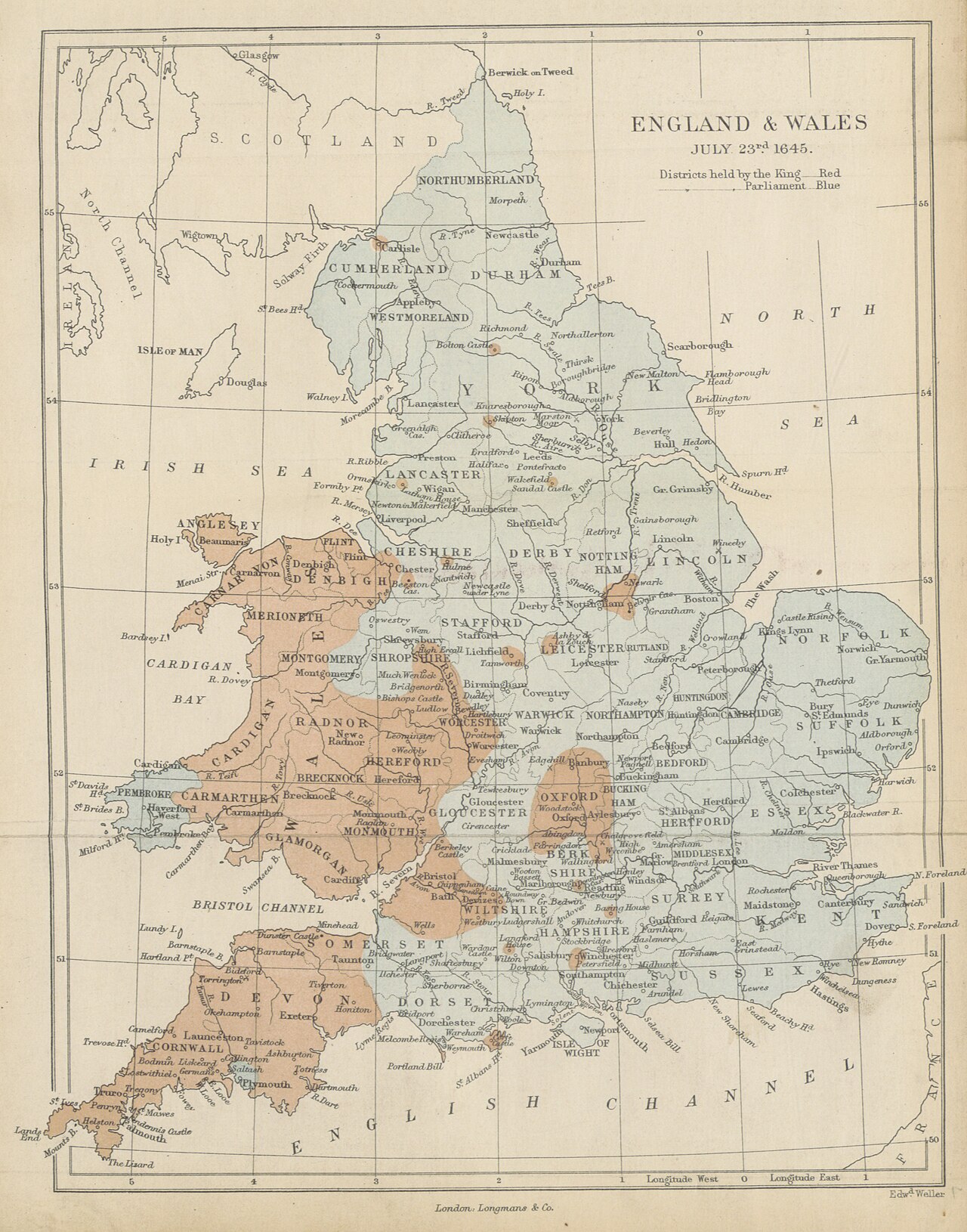
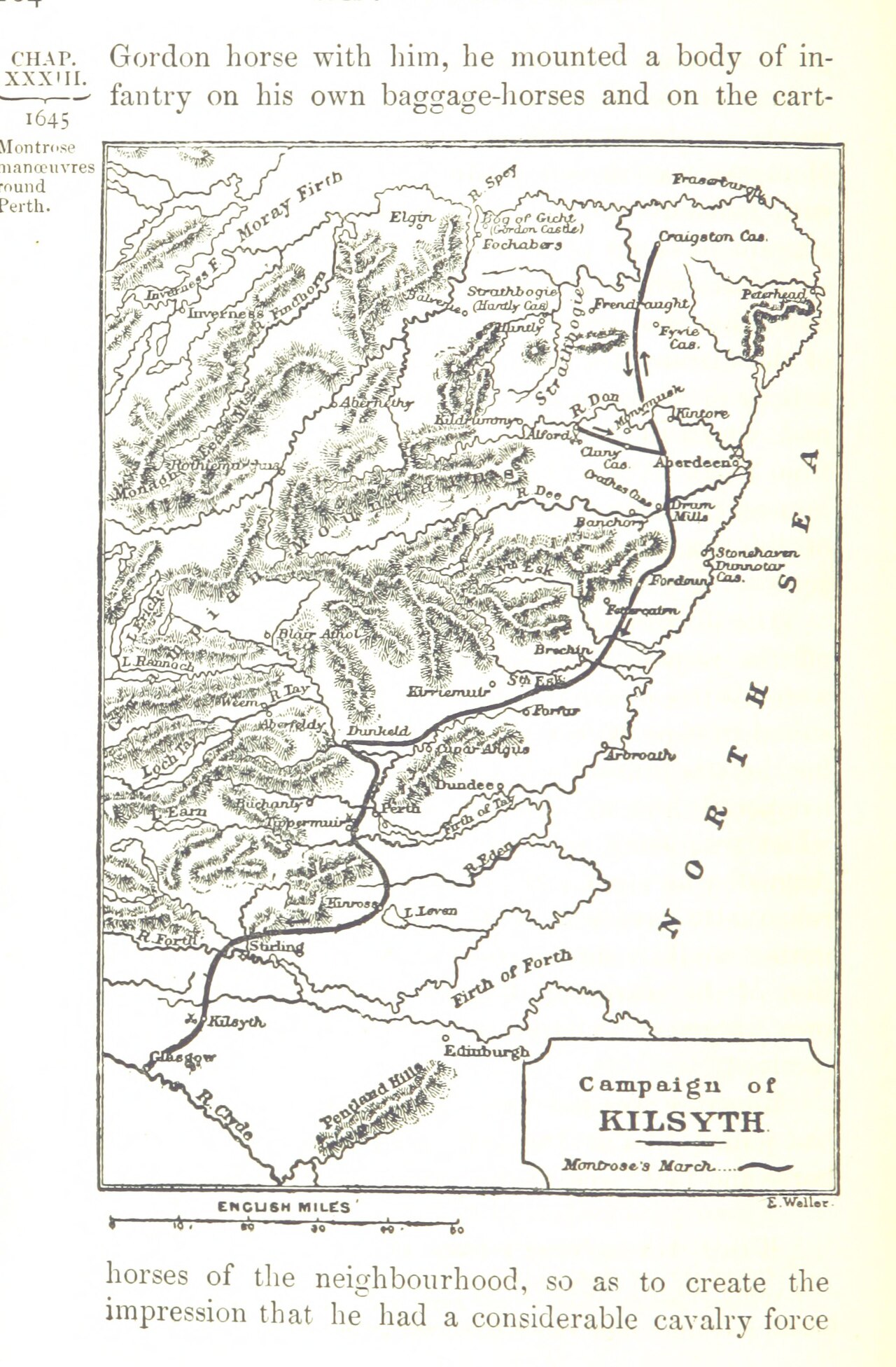
The civil wars drew a remarkably clear geographical line through England, Wales, and the broader British Isles. Royalist strength concentrated in the rural shires, the cathedral cities of York, Chester, Worcester, and Oxford, and the less economically developed regions of northern and western England and Wales. Parliament's power base, by contrast, anchored itself in the industrial centers, the major ports, and the wealthier, more commercially active regions of southern and eastern England, including several other cathedral cities. Historian Lacey Baldwin Smith captured the pattern succinctly, noting that the words 'populous, rich, and rebellious' seemed to travel together. This spatial division meant that minority populations on either side were often silenced or forced to flee, as each faction consolidated control over its territorial heartland. The conflict was not confined to England alone; Wales, having been annexed into the English kingdom, experienced the same political upheavals, while Scotland and Ireland each fought their own intertwined wars with distinct local objectives, collectively forming what historians call the Wars of the Three Kingdoms.
The Long Shadow of the Wars
The civil wars reshaped the political architecture of the British Isles in ways that outlasted the immediate victors. Yet the wars' most durable legacy was structural: they effectively set England and Scotland on a trajectory toward a parliamentary monarchy, a system in which the crown operated within constraints imposed by an elected legislature. The terminology of the era reflected this upheaval—Cavaliers and Roundheads, the Great Rebellion, the English Revolution—each label encoding a different political interpretation of what had been fought for and won.
Gallery
Frequently Asked Questions
What is the English Civil War in the Revolutions & Uprisings series?
It is a series of civil conflicts fought over who held ultimate political authority in England. The entry is also catalogued under the titles Great Rebellion, The Great Civil War, and English Revolution.
Who were the two opposing sides in the English Civil War?
The Royalists, who defended the king's prerogative, clashed with the Parliamentarians, who pushed for parliamentary supremacy. Notable leaders include Prince Rupert and Charles I on the crown's side, and Oliver Cromwell for Parliament.
How does the English Civil War story end?
Parliament emerged victorious, which led directly to the execution of King Charles I. The war's conclusion gave rise to the Commonwealth of England, a republican form of government.
Who are the key figures fans should know from the English Civil War entry?
Oliver Cromwell and Prince Rupert stand out as the principal military commanders, while Charles I and Charles II serve as the royal figureheads around whom the conflict revolves.
Why is the English Civil War considered important in the canon of uprisings?
It permanently altered the power balance between monarchy and parliament in England. By ending in a king's execution and the founding of a Commonwealth, it became a foundational precedent for later revolutionary movements.
More in Revolutions & Uprisings 1-15
Spotted an error? Know more?
This is a living reference — every entry is fact-audited, and reader corrections feed straight into our audit queue. Suggest an edit · See this site's audit record